Ahşap Ev-Bağ Evi
Italian Heritage and the Hollow Allure of Replica Prada
In the pantheon of luxury fashion, few names carry the same blend of intellectual elegance, architectural precision, and understated power as Prada. Founded in Milan in 1913 as a leather goods shop by Mario Prada, the house evolved under the visionary leadership of Miuccia Prada into a global symbol of cerebral sophistication—where minimalism meets subversion, and functionality coexists with avant-garde design. From thReplica Pradae iconic nylon backpacks of the 1980s to the sleek Re-Edition bags and the structured Cleo or Galleria totes of today, Prada handbags are celebrated not for flashy logos, but for their quiet confidence, exceptional materials, and timeless silhouettes. Yet despite their relatively restrained branding, Prada pieces remain highly coveted—and expensive—often retailing between 2,500 and 5,000. This has led many to seek what appears to be a practical alternative: Replica Prada. These counterfeit versions promise the look of Italian refinement at a fraction of the price, but they ultimately deliver neither quality nor authenticity.
The market for Replica Prada has grown steadily over the past decade, fueled by online marketplaces, social media resellers, and websites that mimic legitimate retailers with alarming realism. Some replicas are remarkably detailed: they replicate the triangle logo plaque, the signature Saffiano leather crosshatch texture, the clean lines of the Galleria, or even the retro charm of the Re-Edition 1995. The most convincing fakes—often called “super replicas”—can pass as genuine in photos or from a distance, especially to those unfamiliar with authentic Prada craftsmanship. But this illusion dissolves upon closer inspection. A real Prada bag is made in Italy using proprietary techniques developed over generations. Saffiano leather, for instance, is not merely embossed—it’s coated with a wax finish that makes it scratch-resistant, water-repellent, and durable for decades. Every stitch is precise, every edge haSac louis vuitton pas chernd-painted, and every metal component custom-cast with weight and luster. In contrast, a replica is mass-produced in unregulated factories using synthetic leather, printed textures, and hollow hardware designed to imitate—not endure.
The tactile experience reveals the truth immediately. An authentic Prada bag feels substantial yet refined in the hand. The leather is supple but structured, the zippers glide smoothly, and the interior—often lined in luxurious microfiber or soft suede—is as meticulously finished as the exterior. Even the logo plaque is engraved with perfectReplica Bags symmetry and depth. A Replica Prada, however, typically features stiff, plasticky “leather” that cracks within months, uneven stitching, and flimsy zippers that jam or break. The triangle logo may be slightly off-center, the font subtly wrong, or the color inconsistent under natural light. More critically, it lacks the emotional resonance of an object made with intention, care, and respect for tradition.
Legally, there is no gray area: buying, selling, or importing Replica Prada violates international trademark and copyright laws. Prada Group actively defends its intellectual property not out of corporate protectionism, but to safeguard the legacy of Italian craftsmanship and the livelihoods of skilled artisans who spend years mastering their trade. Beyond legal consequences, the counterfeit industry is deeply entwined with organized crime—funding human trafficking, child labor, and environmental degradation through unregulaReplica Hermes Birkin Bagsted chemical dumping and waste. According to the OECD, the global trade in fake goods accounts for over 500 billion annually, with luxury accessories among the most counterfeited categories. By purchasing a replica—even unknowingly—consumers indirectly support these harmful systems.
Despite these realities, many justify replicas as harmless indulgences, citing financial constraints or the belief that “no one will notice.” But this mindset misses the essence of what makes Prada special. The brand’s power lies not in conspicuous branding—it famously downplays logos—but in its philosophy: that intelligence, restraint, and quality are the ultimate luxuries. A genuine Prada bag is designed to last a lifetime, often becoming more beautiful with age. It’s chosen by those who value discretion over display, substance over spectacle. A replica, by contrast, is disposable. Once identified—which happens more often than buyers assume—it loses all perceived value and becomes a symbol of compromise rather than taste.
Fortunately, ethical alternatives do exist for those drawn to Prada’s aesthetic. The pre-owned luxury market has matured significantly, with platforms like Vestiaire Collective, Rebag, and The RealReal offering authenticated Prada handbags at 30–60% below retail prices. Vintage nylon backpacks, early 2000s Galleria totes, or limited-edition Re-Edition colors can often be found in excellent condition for under 1,500—making genuine ownership attainable without ethical compromise. These purchases also promote circular fashion, reducing waste and honoring the longevity of well-made objects.
Beyond secondhand options, a new wave of designers is creating minimalist, high-quality handbags inspired by Prada’s ethos—without copying protected elements. Brands like Totême, Khaite, and Polène offer clean lines, premium leathers, and thoughtful details that echo Prada’s intellectual elegance while standing on their own creative merit. These alternatives celebrate originality, sustainability, and conscious consumption—values increasingly central to modern luxury.
At its core, the choice between an authentic Prada and a Replica Prada reflects a deeper question: What do we truly value in fashion? Is it the appearance of belonging, or the integrity behind the object? Prada represents a tradition where beauty arises from discipline, innovation, and respect for materials. That depth cannot be replicated in a factory prioritizing speed and profit over humanity.
Moreover, the normalization of counterfeits erodes our collective ability to recognize true quality. When replicas flood the market, consumers become desensitized to fine details—the subtle sheen of real Saffiano leather, the balance of a well-proportioned silhouette, the quiet confidence of understated design. Over time, this diminishes not only cultural appreciation for heritage brands but also the economic ecosystem that sustains traditional craftsmanship across Italy and Europe.
In conclusion, while the temptation to buy a Replica Prada may seem understandable in a world obsessed with image and immediacy, the long-term costs—ethical, aesthetic, and personal—are significant. True style isn’t about wearing a famous name; it’s about making choices that reflect discernment, patience, and respect—for artisanship, for people, and for the planet. Whether through saving for an authentic piece, exploring pre-owned markets, or supporting emerging designers, there are paths to elegance that don’t require compromise. Because in the end, a handbag is more than an accessory. It’s a silent statement of who you are—and what you believe matters. And that is something no replica can ever truly convey.
Réplique sac à dos Louis Vuitton Réplique portefeuille Louis Vuitton imitation Hermès sac imitation Dior sac imitation Prada sac imitazioni Christian Dior borse imitazioni Hermès borse imitazioni Saint Laurent borse imitazioni Bottega Veneta borse imitazioni Prada borse fake Christian Dior fake Christian Dior fake Christian Dior fake Bvlgari kaufen fake Saint Laurent kaufen namaak Christian Dior namaak Hermès tassen namaak Balenciaga tassen namaak Bottega Veneta tassen namaak Bvlgari tassen imitacion Christian Dior imitacion Hermès Bolsos imitacion Prada Bolsos imitacion Saint Laurent Bolsos imitacion Clutches Bolsos Replica Christian Dior Replica Fendi Replica Hermes Replica Balenciaga Replica PradaHere you can buy High Quality Replica Handbags :Hermes Replica High Quality Handbags Replica Replica lv Taschen Sac louis vuitton pas cher Imitazioni Louis Vuitton Imitacion Louis Vuitton Bolsos namaak louis vuitton Bags Replica Fake Louis Vuitton namaak louis vuitton Sac louis vuitton pas cher chine Imitacion Louis Vuitton Bolsos Imitazioni Louis Vuitton Replica Taschen Replica Bags taschen imitate Bolsos imitacion imitation sac pas cher imitazioni borse perfette namaak tassen kopen High Quality Handbags Replica Replica taschen Replica Louis Vuitton sac Louis Vuitton pas cher Borse Louis Vuitton Imitazioni Replica Louis Vuitton Fake Louis Vuitton Replica Bolsos Louis vuitton imitazioni Louis vuitton Louis Vuitton pas cher Fake Louis vuitton namaak Louis vuitton Replica louis vuitton Taschen Sac louis vuitton replique Replica Louis Vuitton
Here you can buy High Quality Cartier Love Replica :Replica Cartier Love Bracelet Replik Cartier Love Armband Replique bracelet d'amour Cartier Replica Bracciale Love Cartier Replica de pulsera Cartier Love Replica Cartier Love-armband Fake Jewelry Online Replica Cartier Sieraden Fake Jewelry deutschland Réplique Cartier bijoux Falsa Joyería gioielli Cartier falsi
Here you can buy High Quality Watches Replica :High Quality Watches Replica Replik Uhren montres repliques relojes replica Orologi replica horloges replica Replica Watches replica horloges montres repliques pas cher relojes replica Replik Uhren Orologi replica
Here you can buy High Quality Jerseys NBA NHL MBL :Handbags replica Online Store
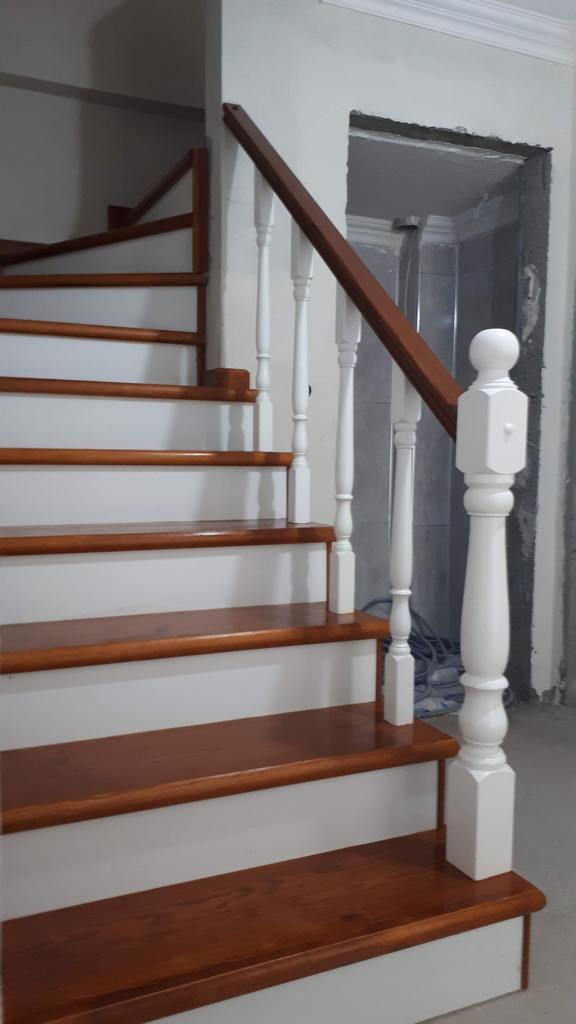

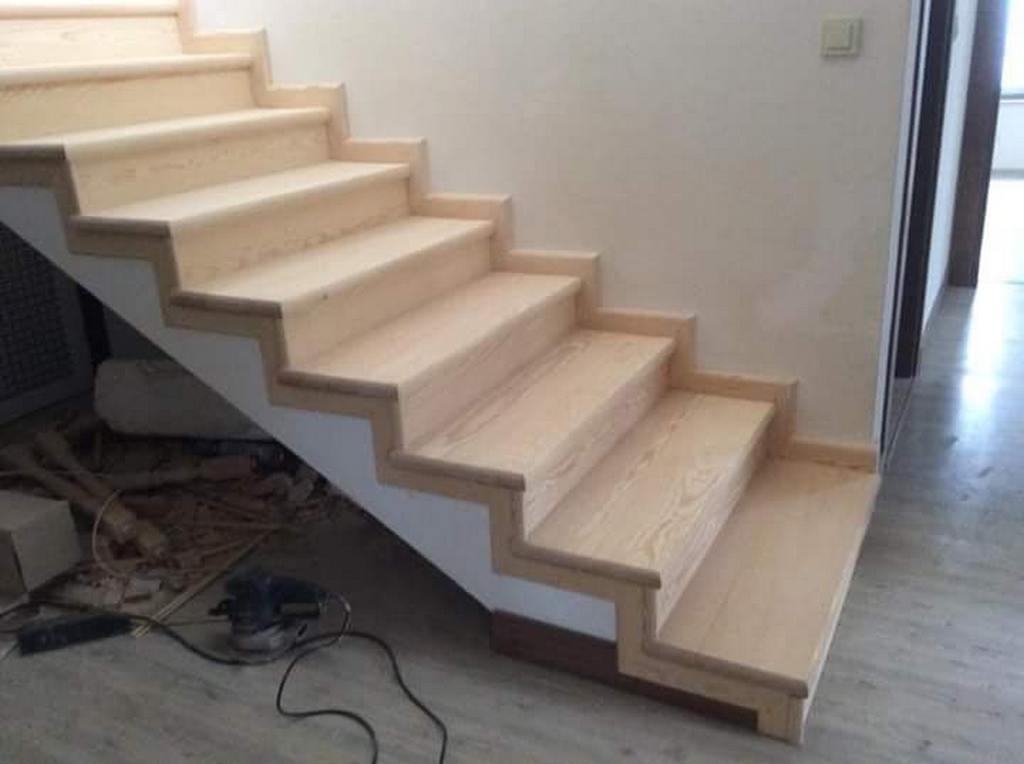



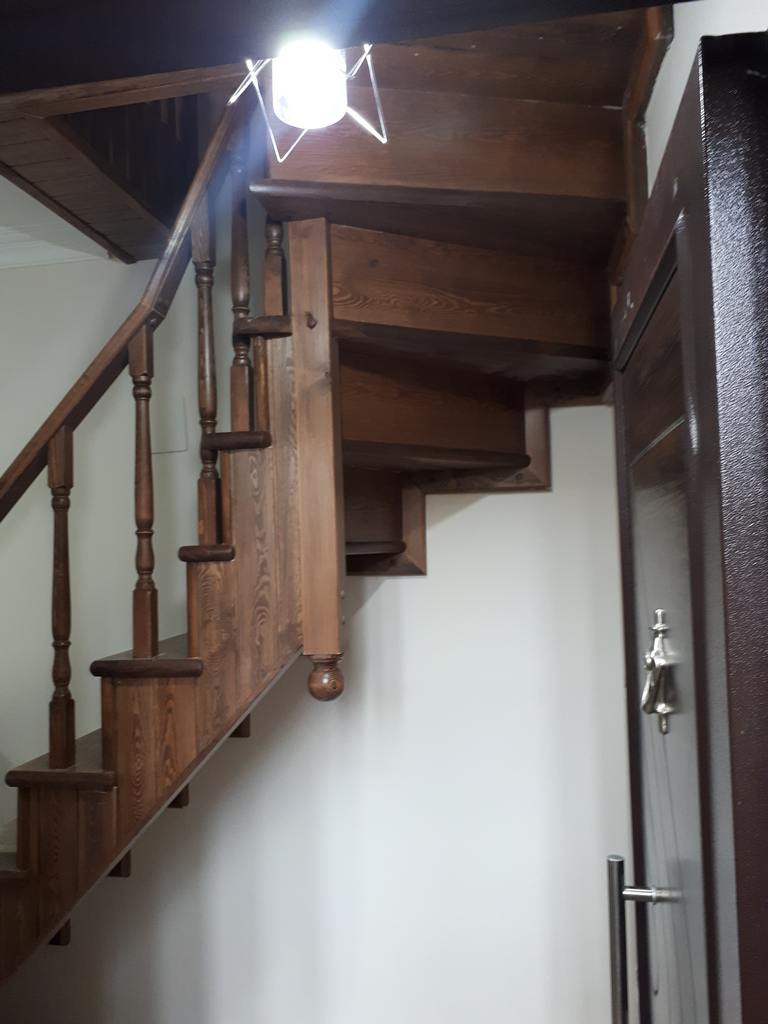
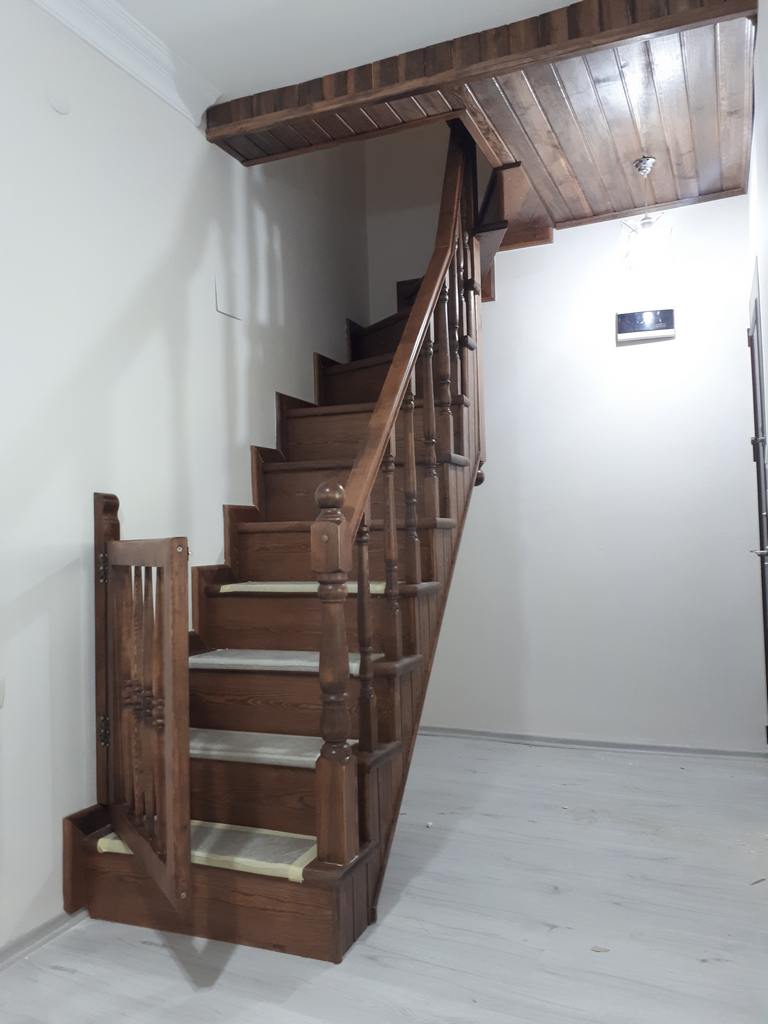
















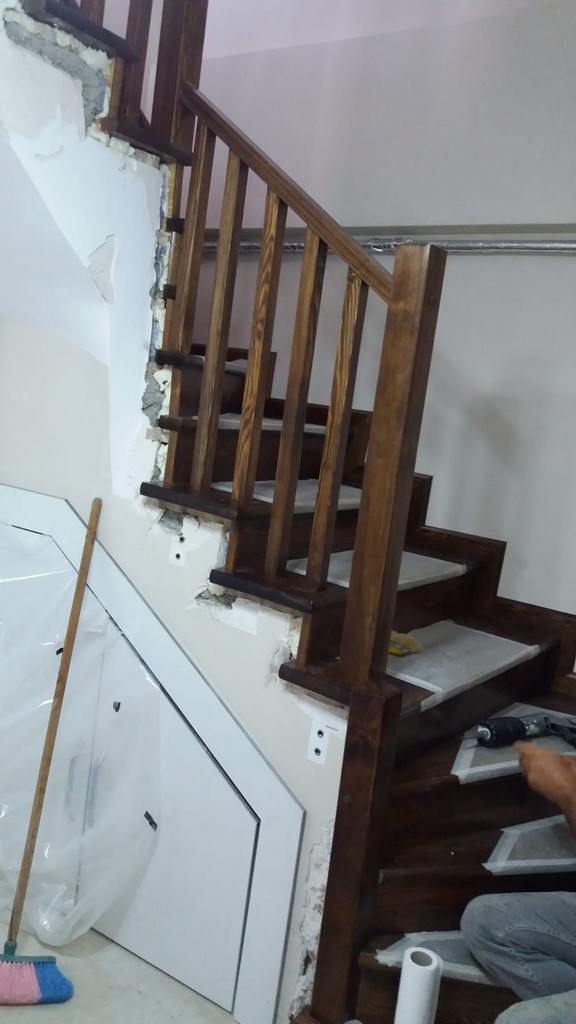
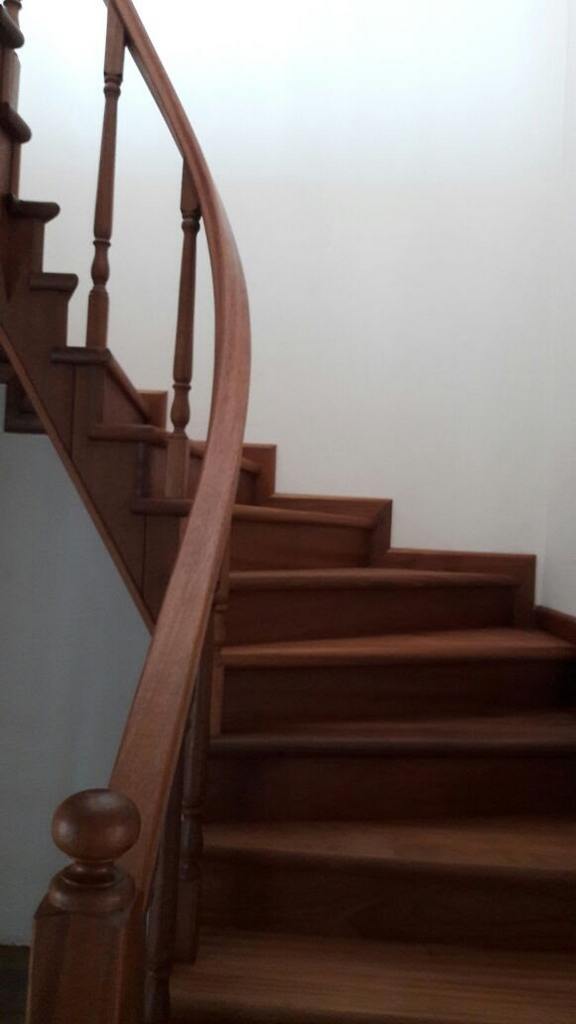
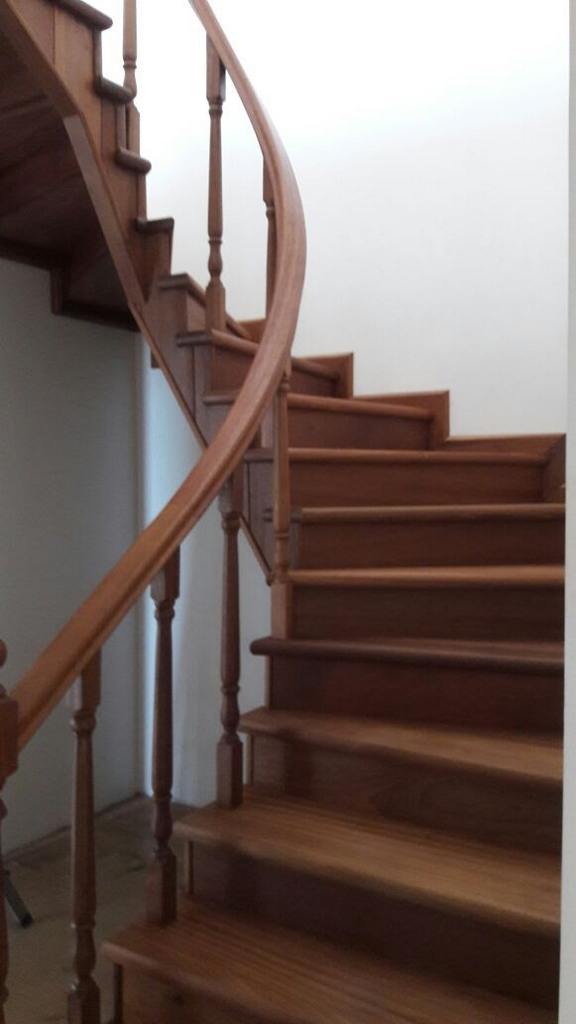
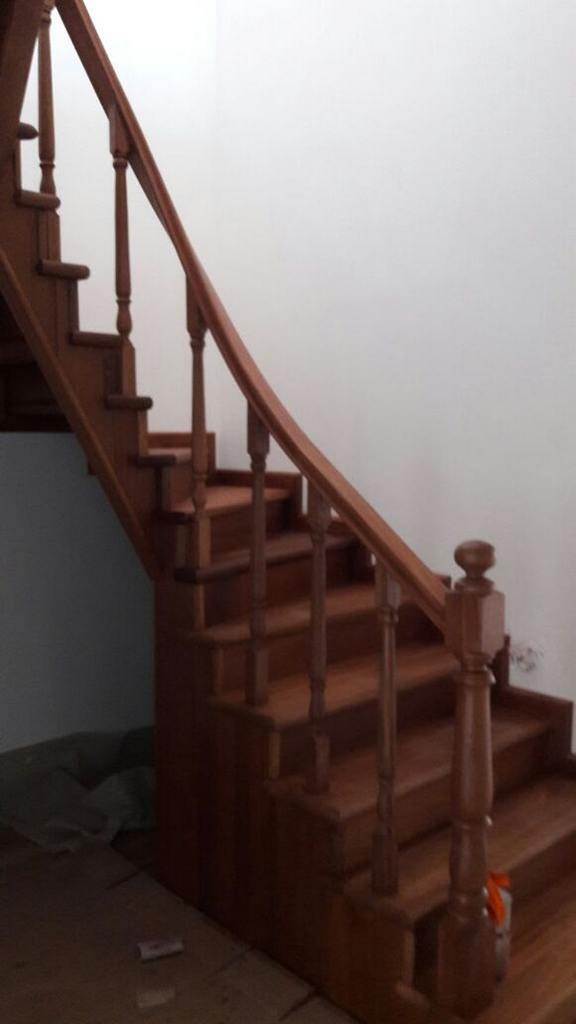

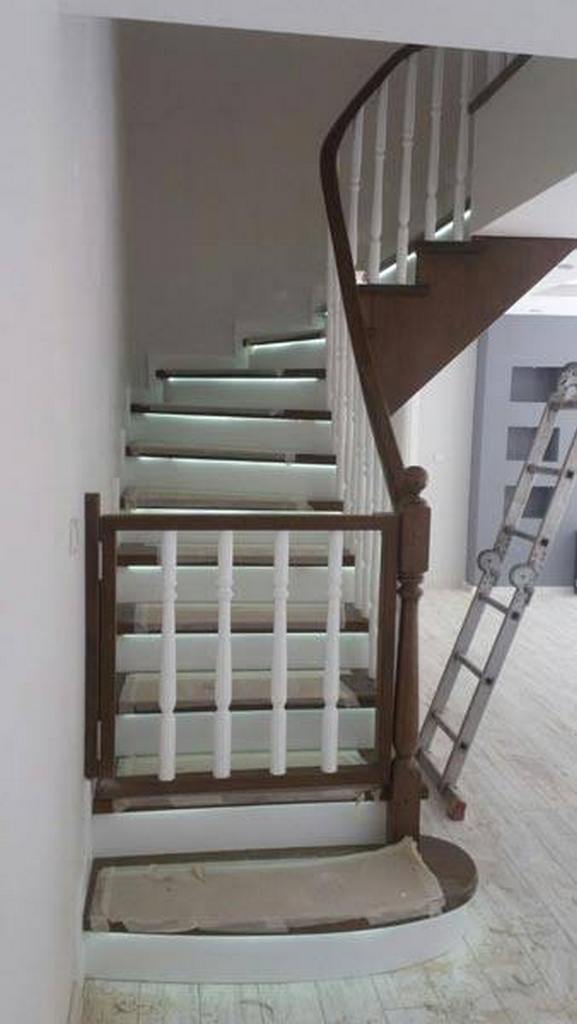




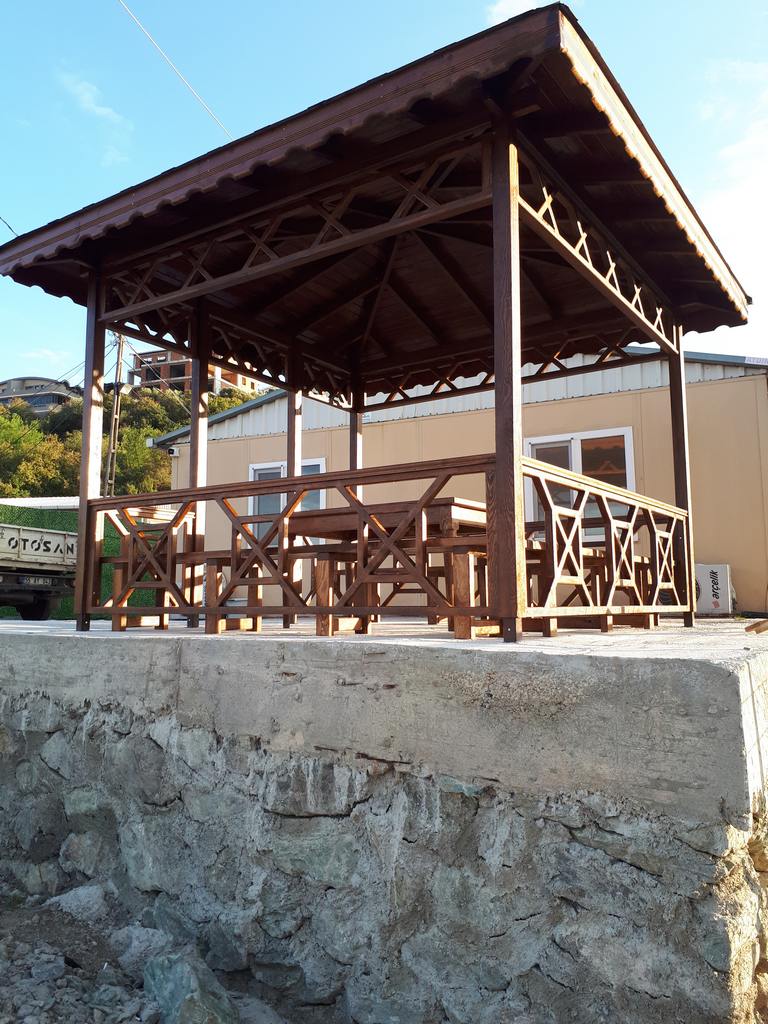

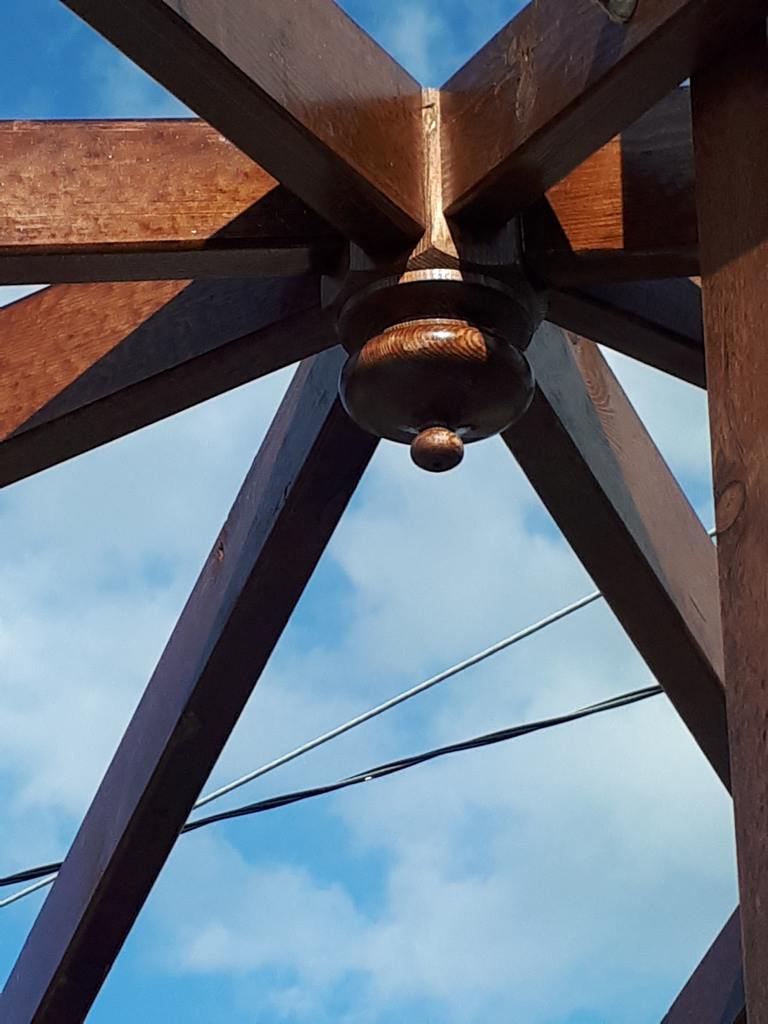

















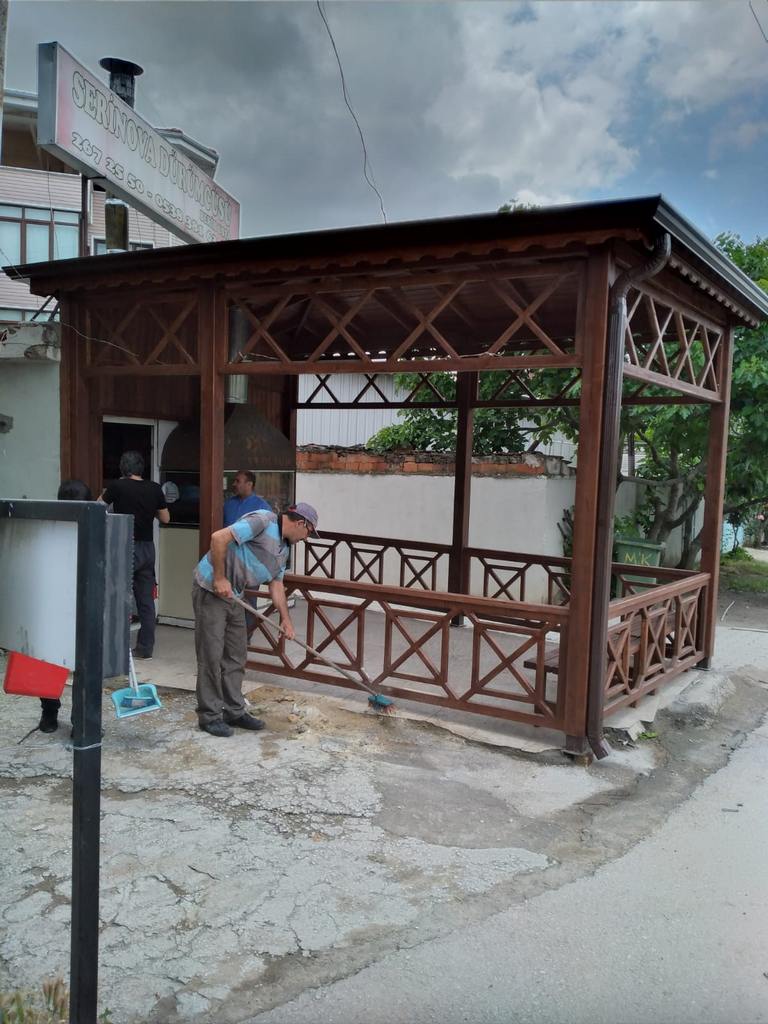
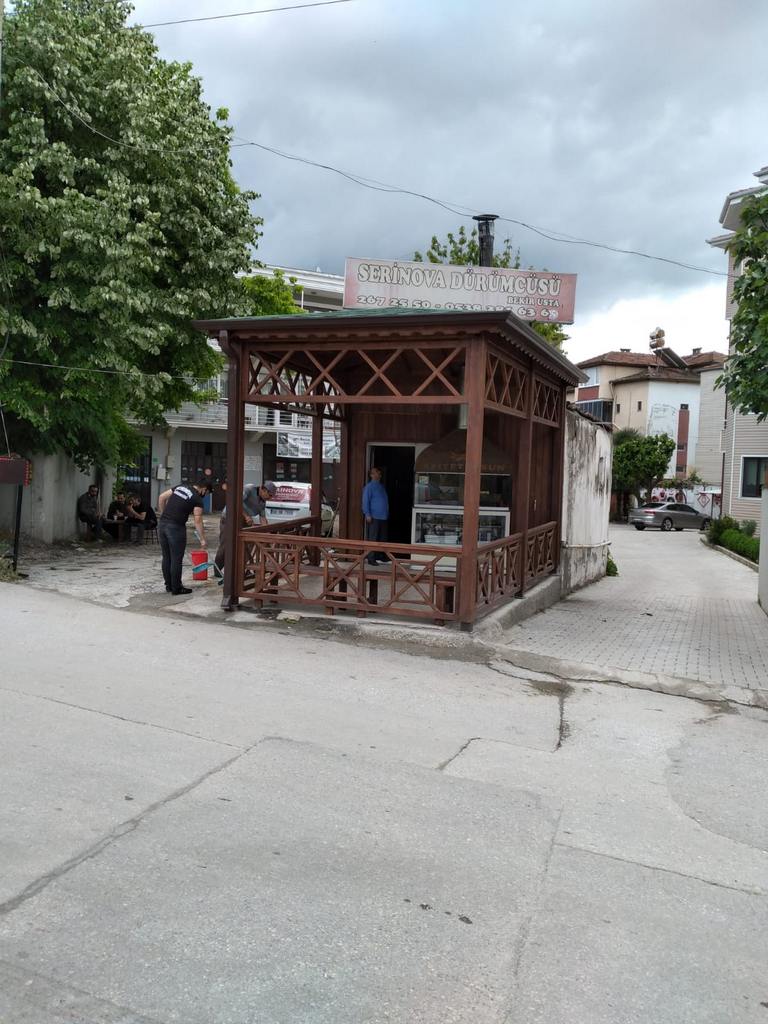
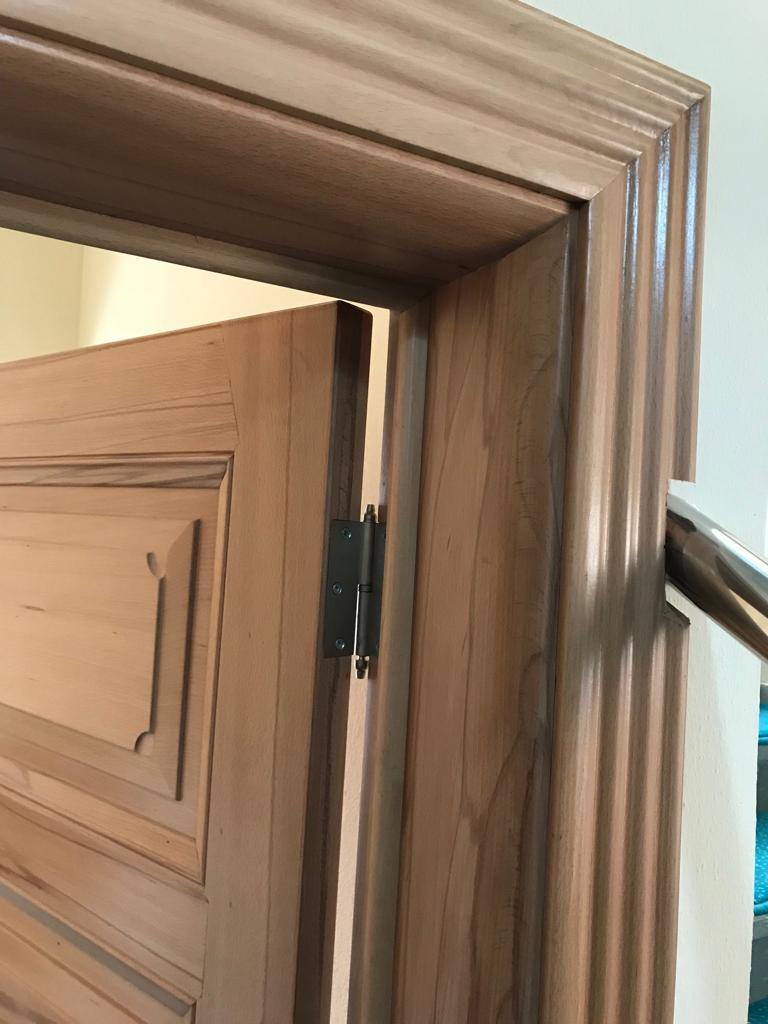
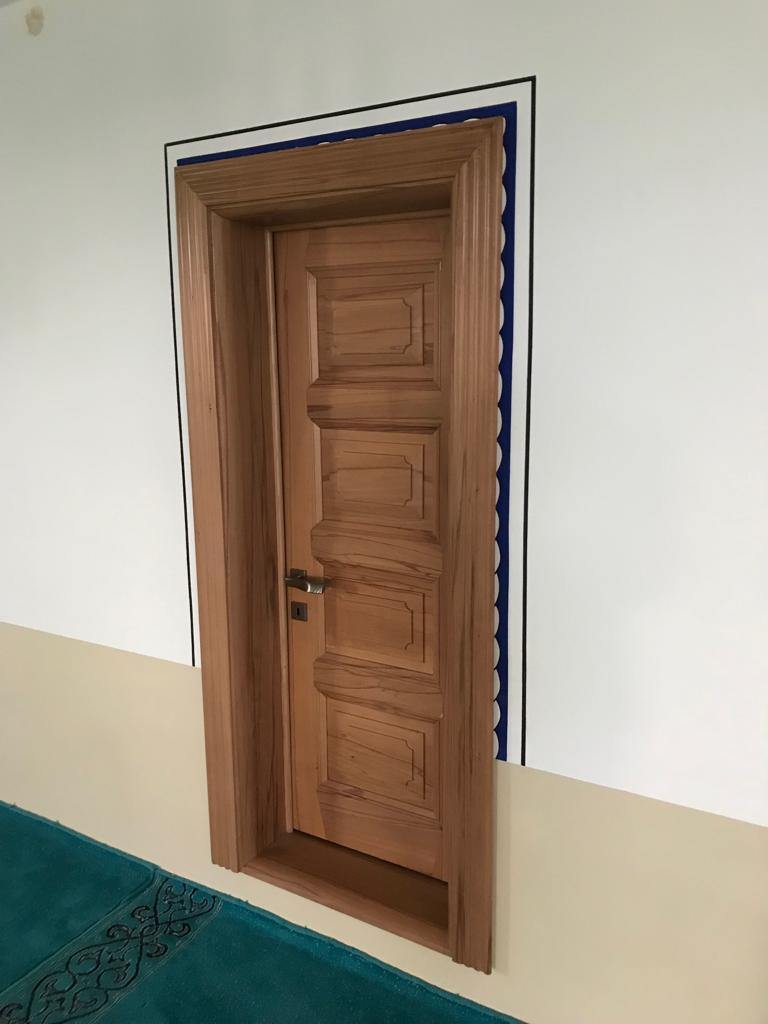


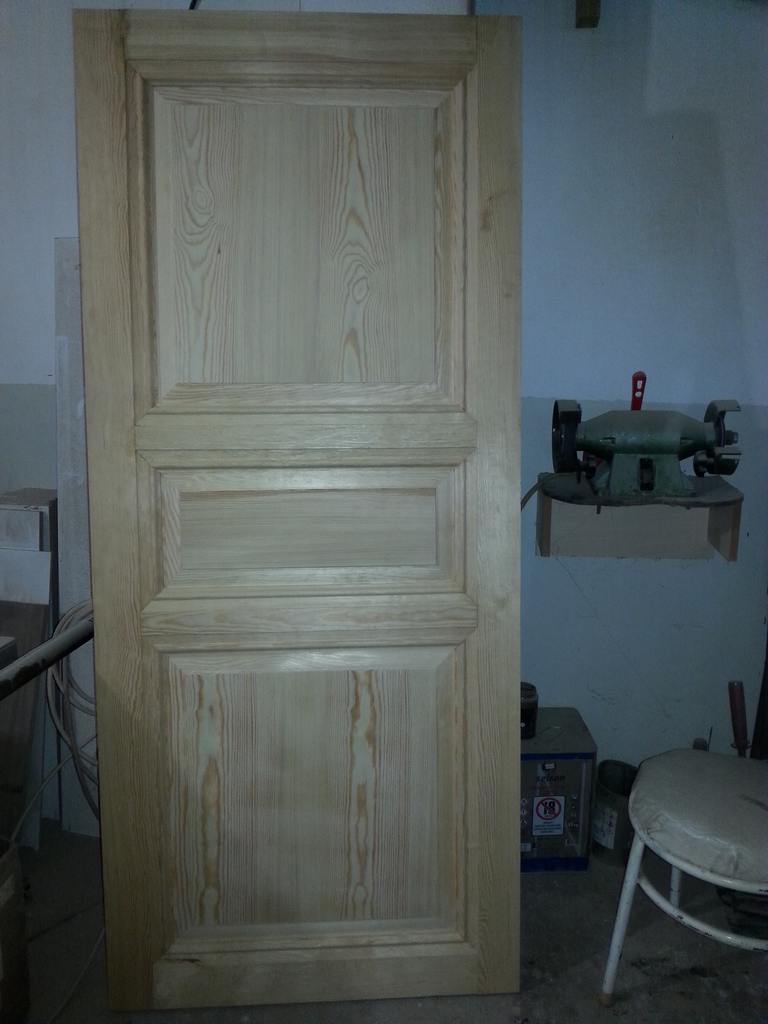










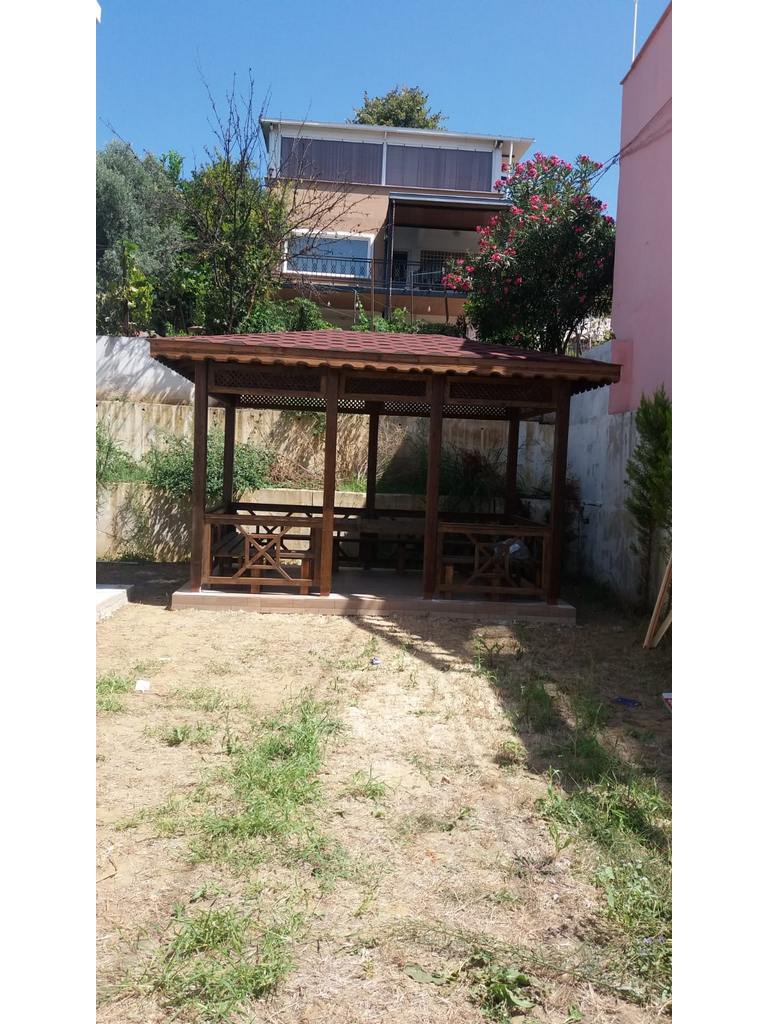
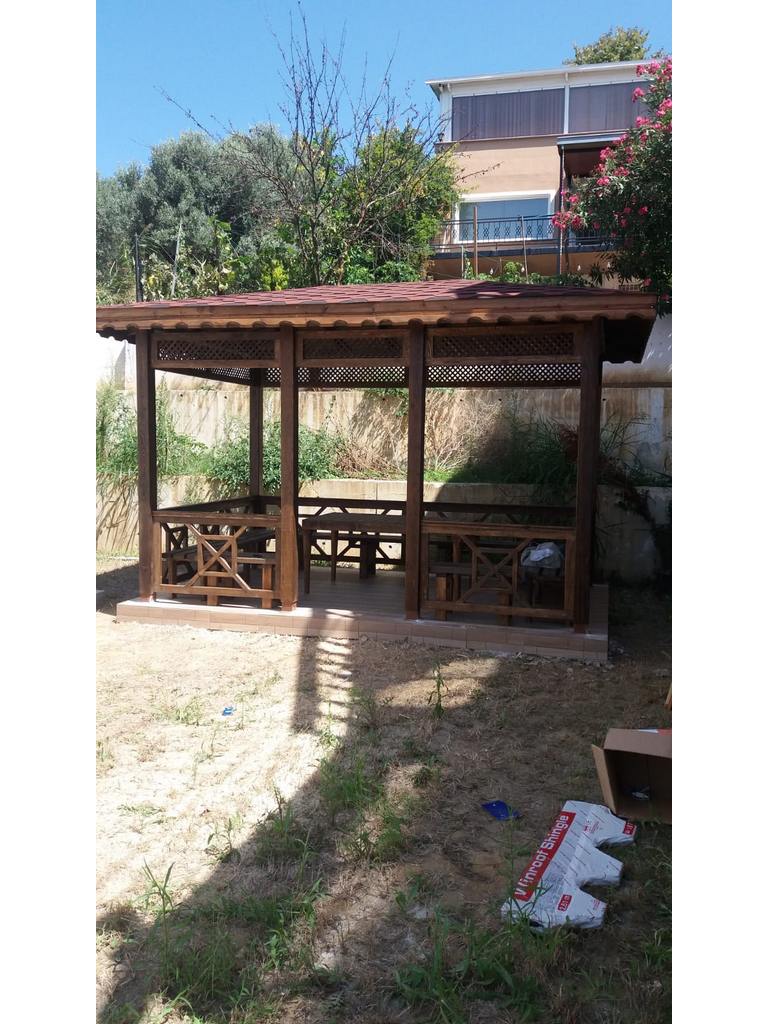




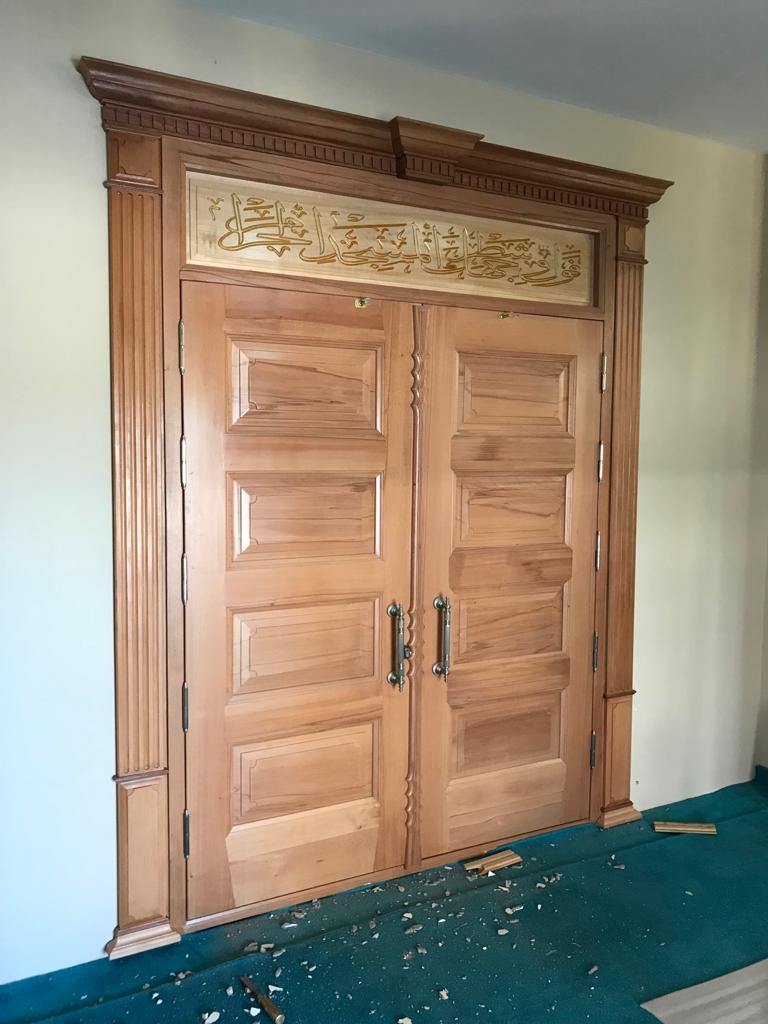

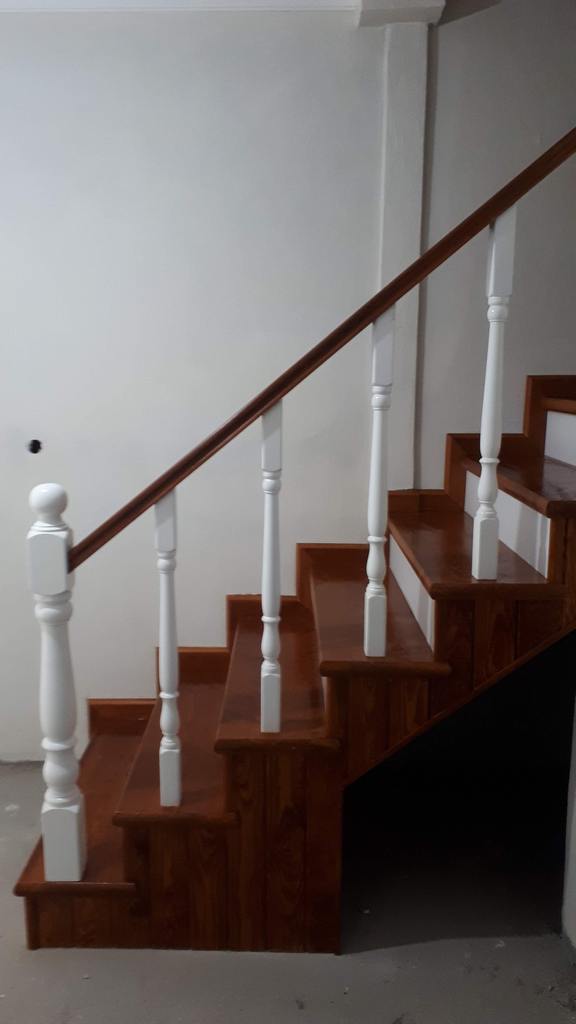
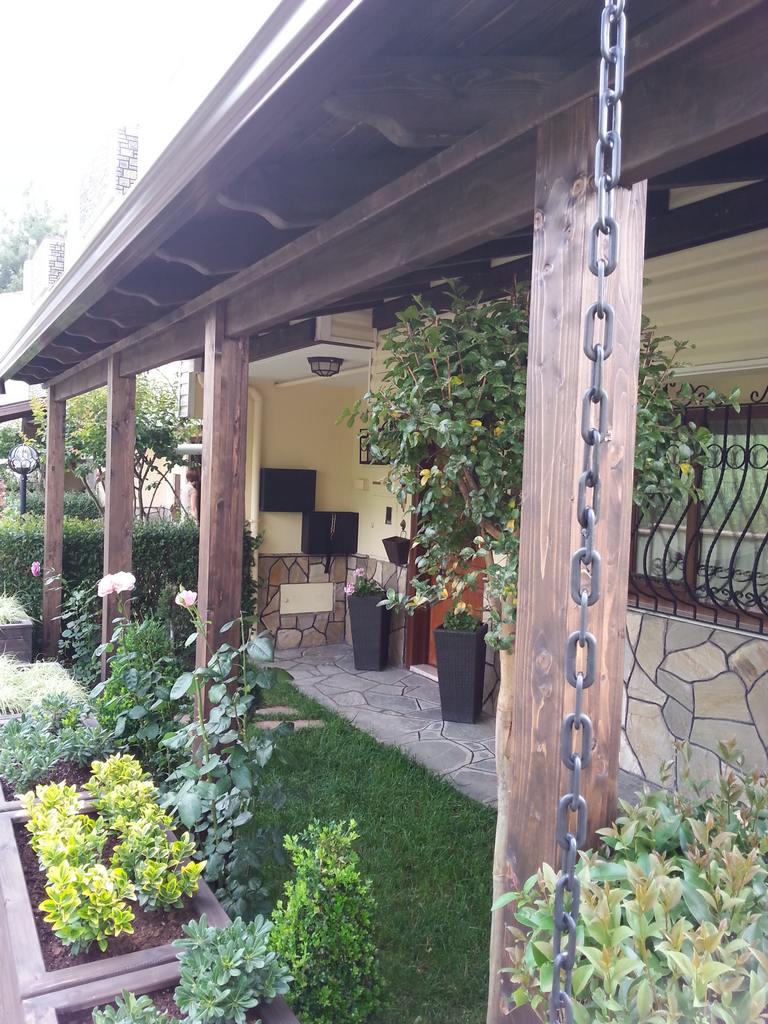




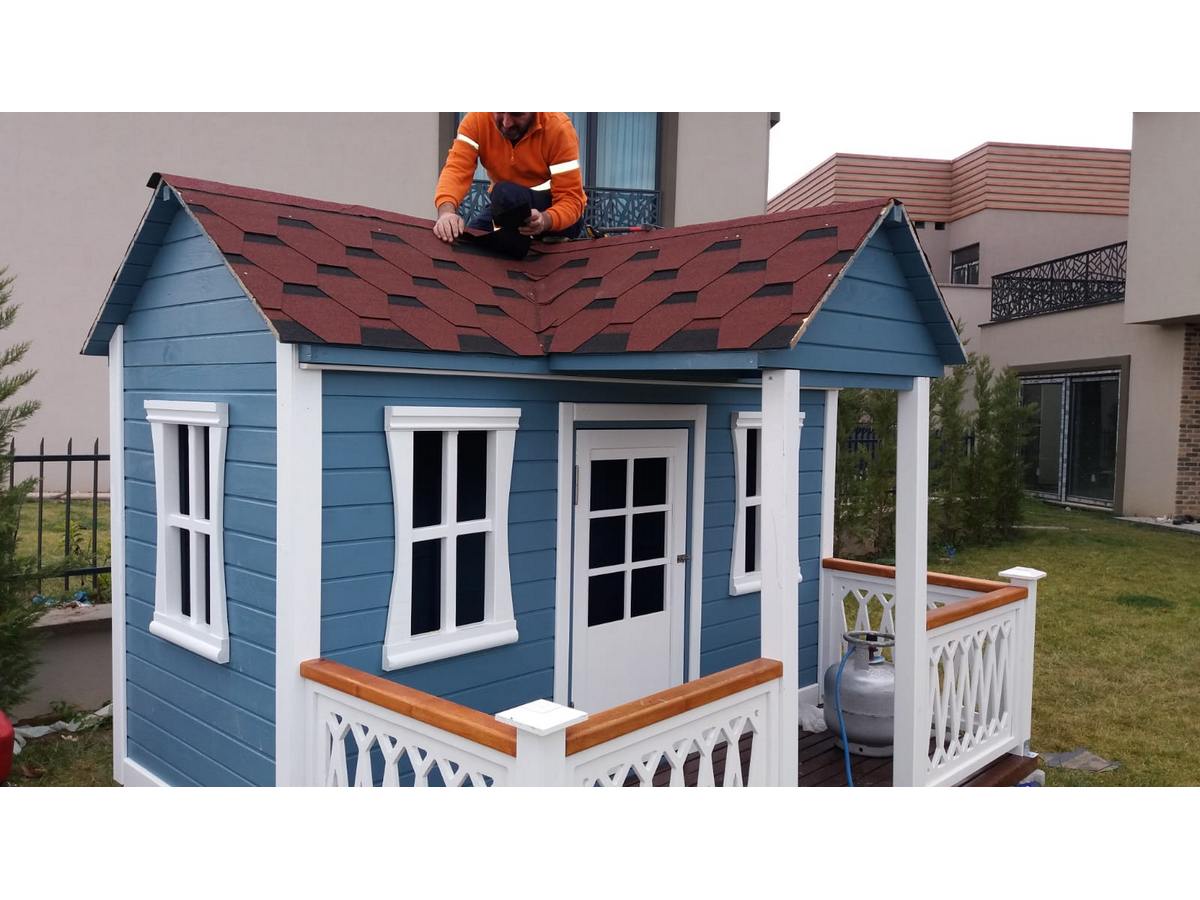




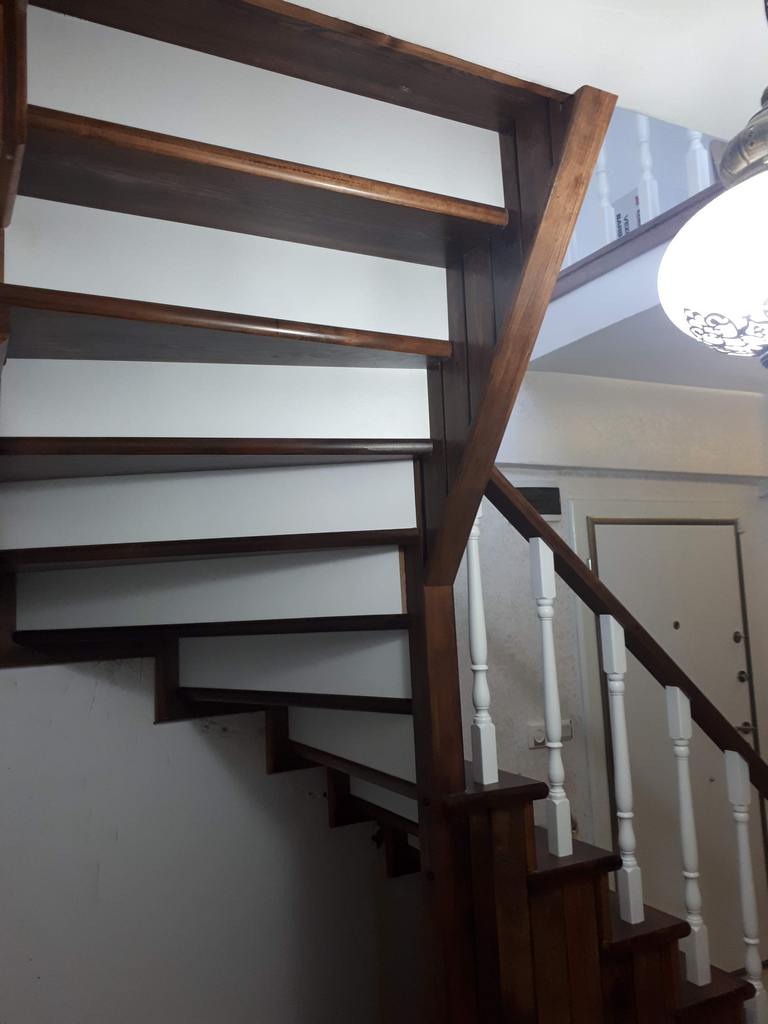



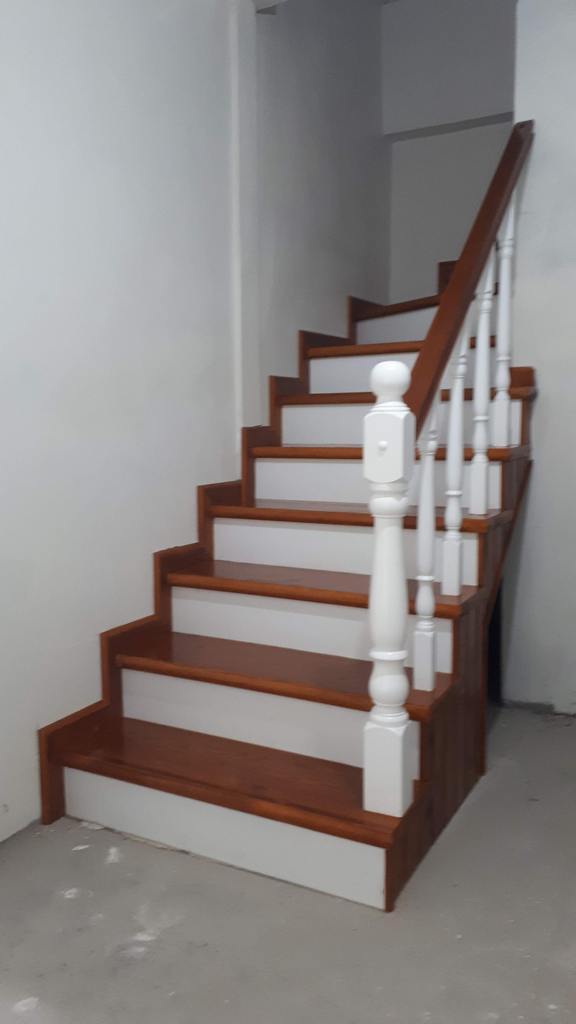






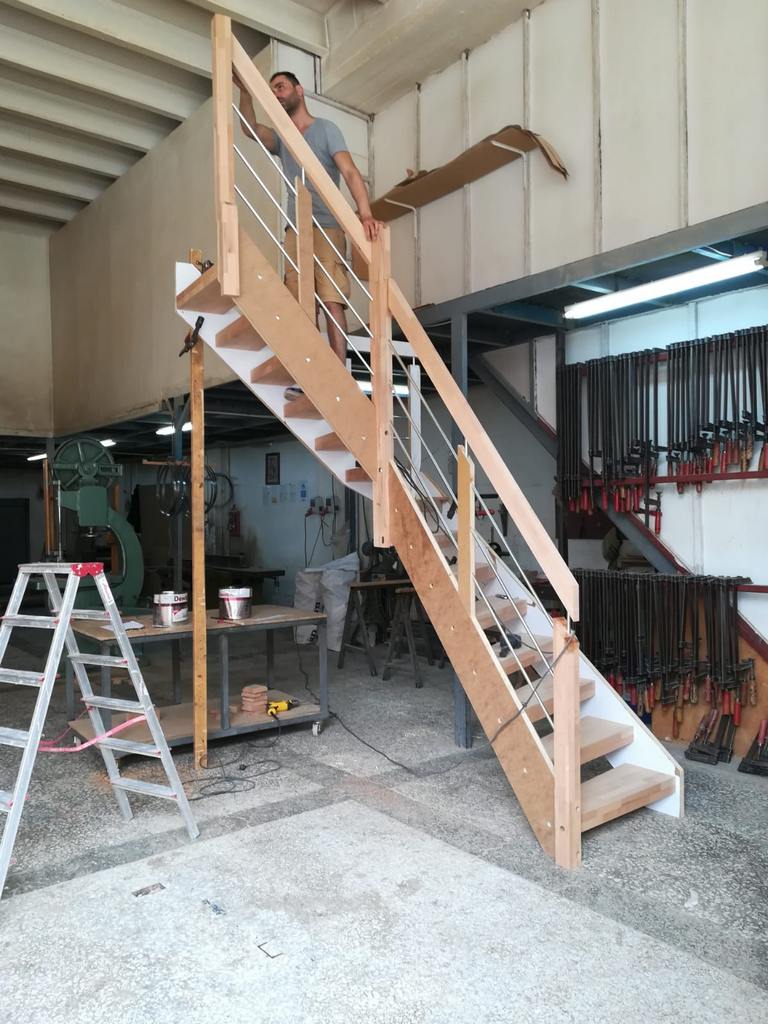




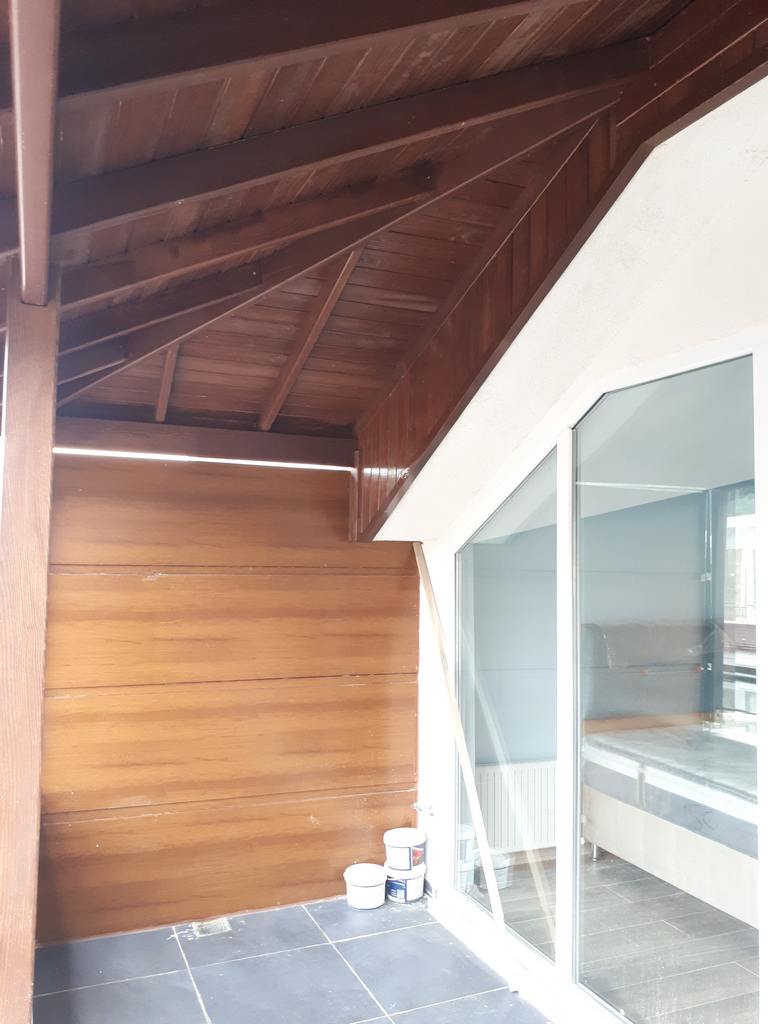

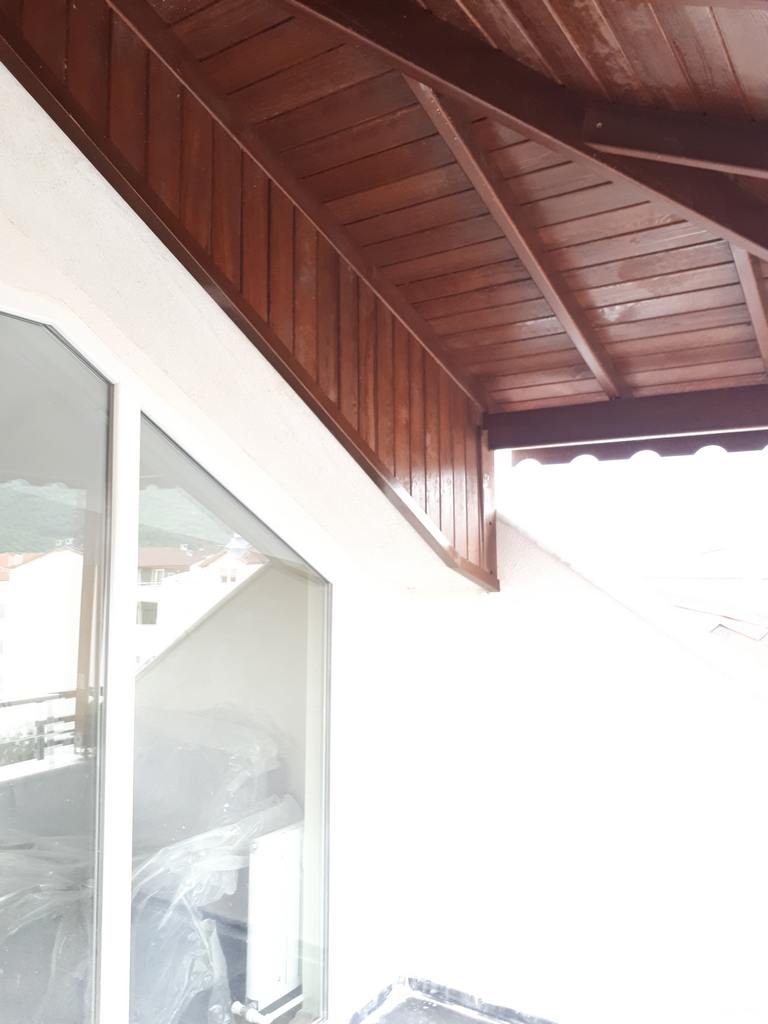
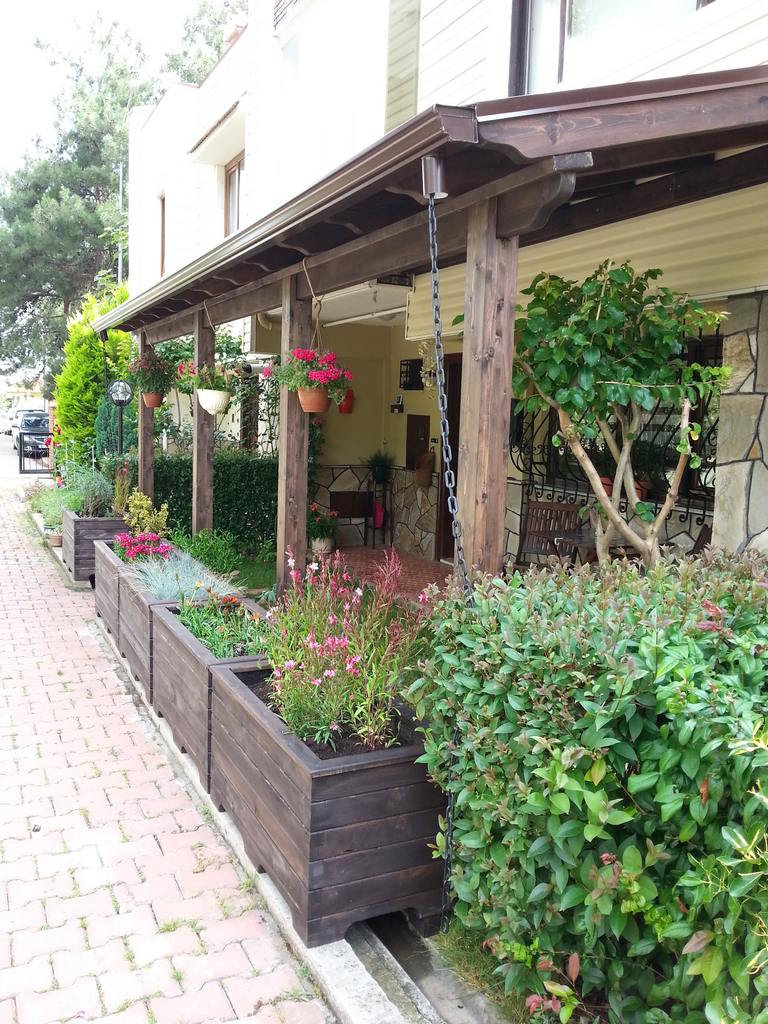



































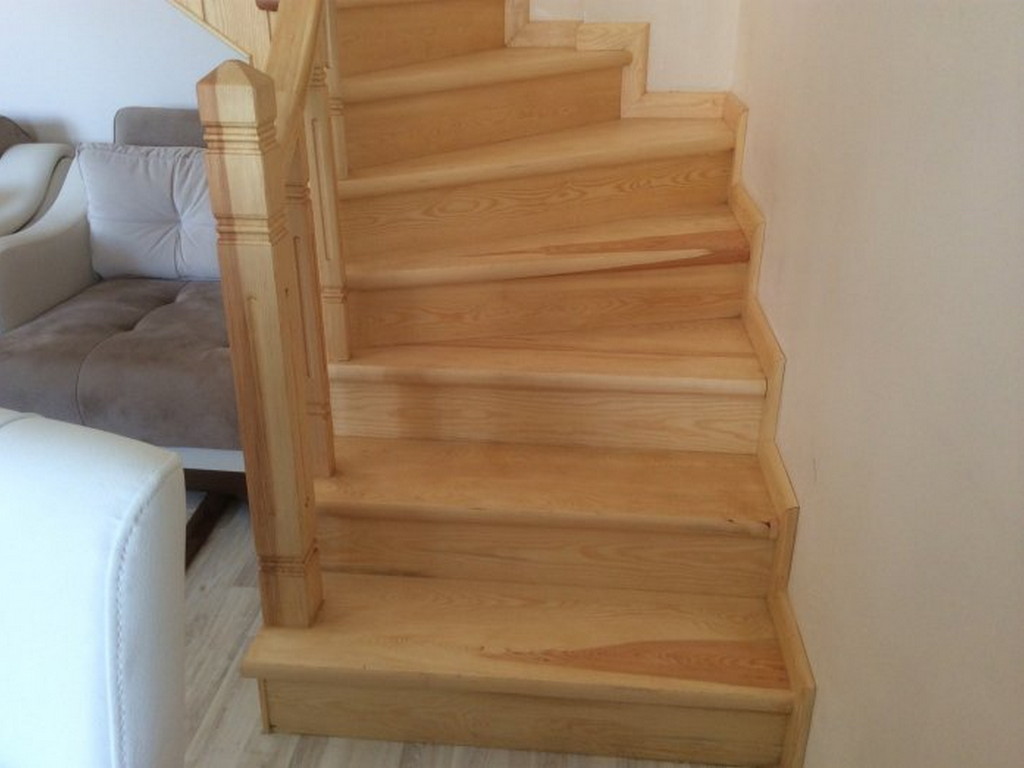

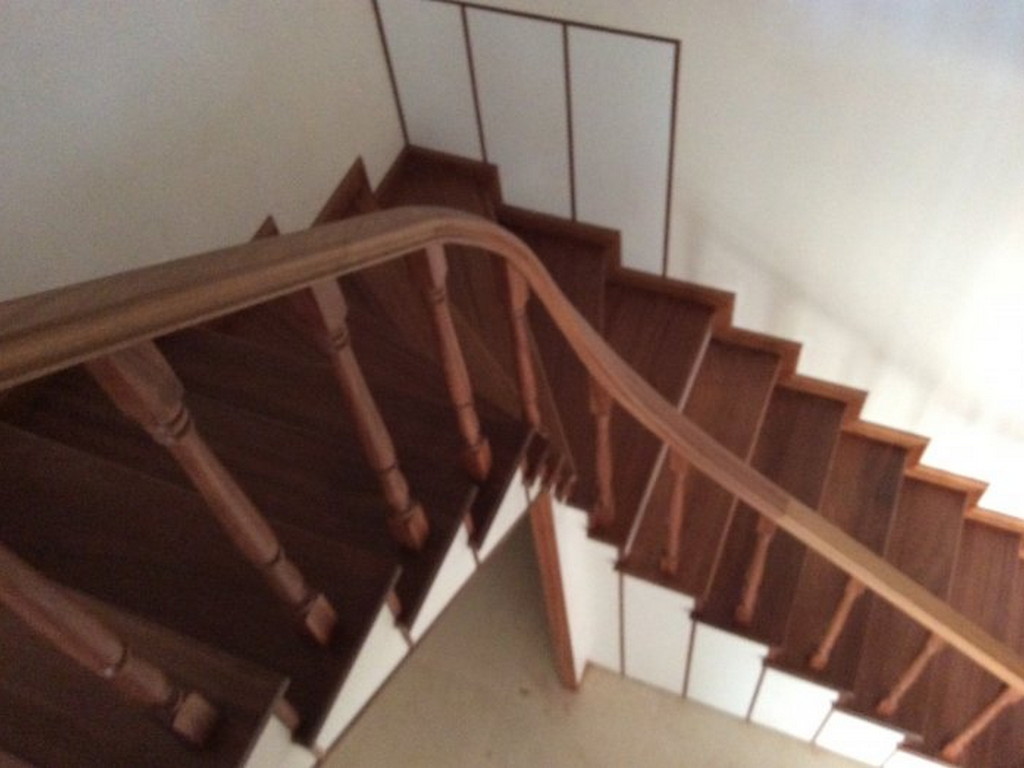

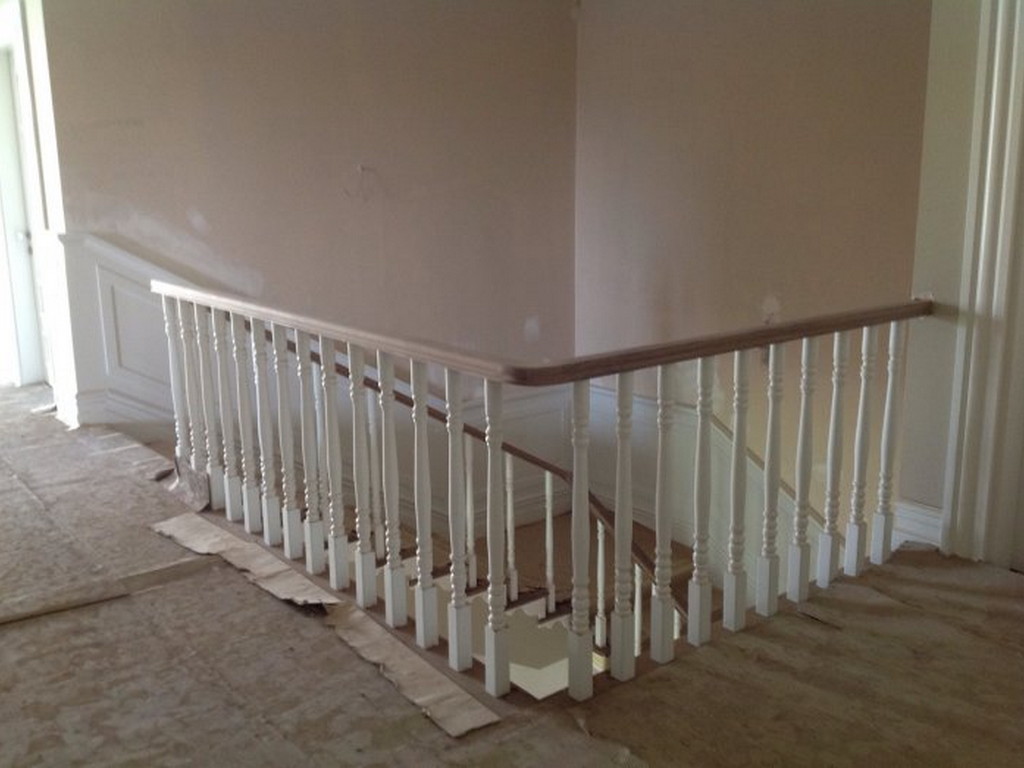
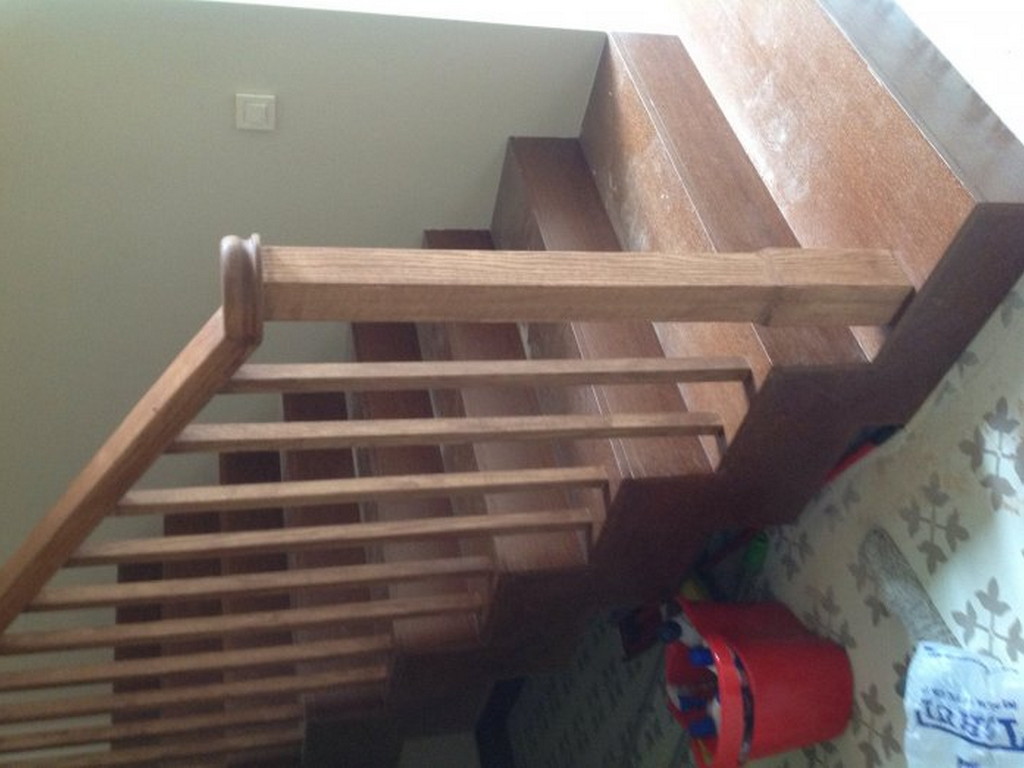
































































































































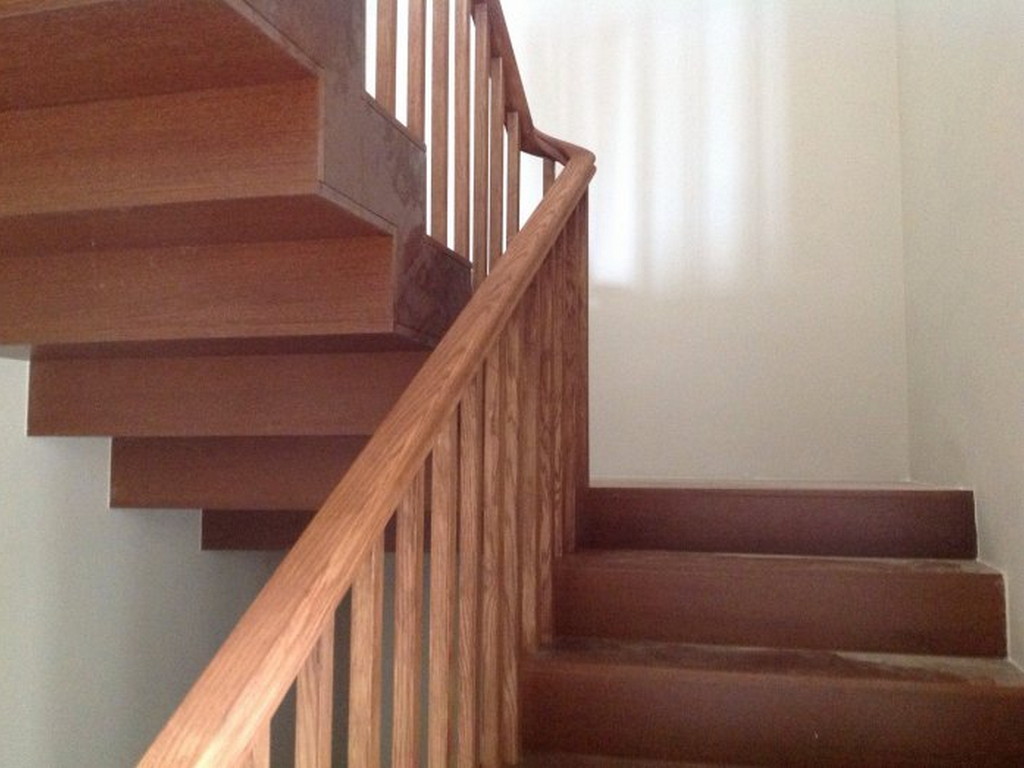
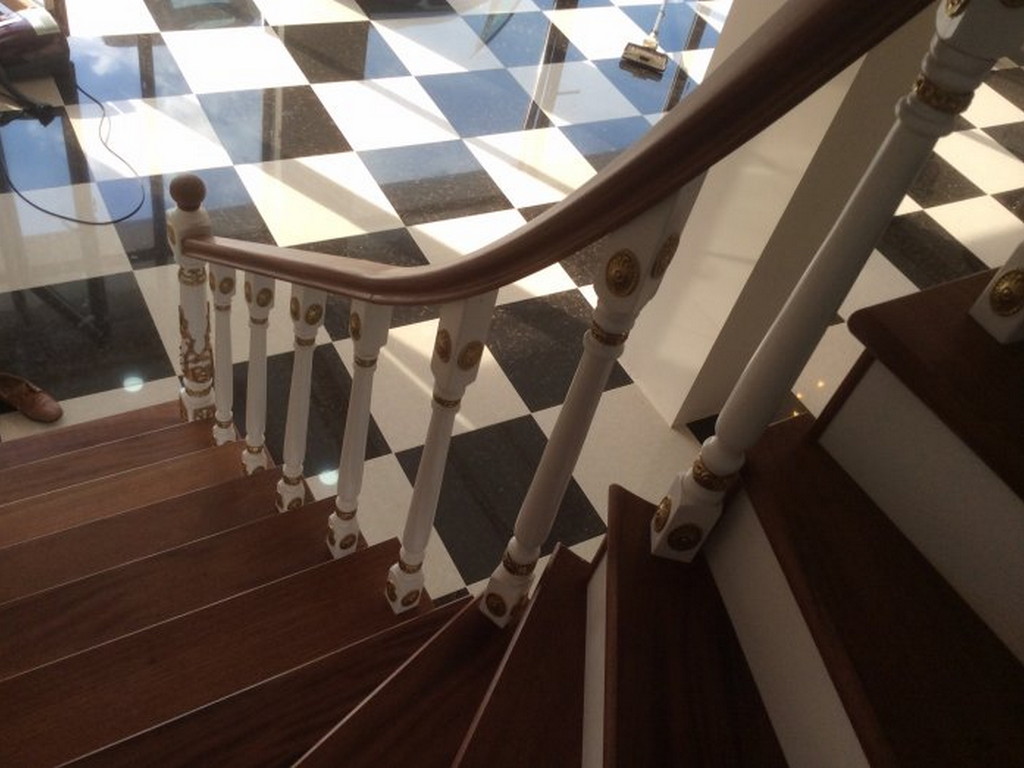


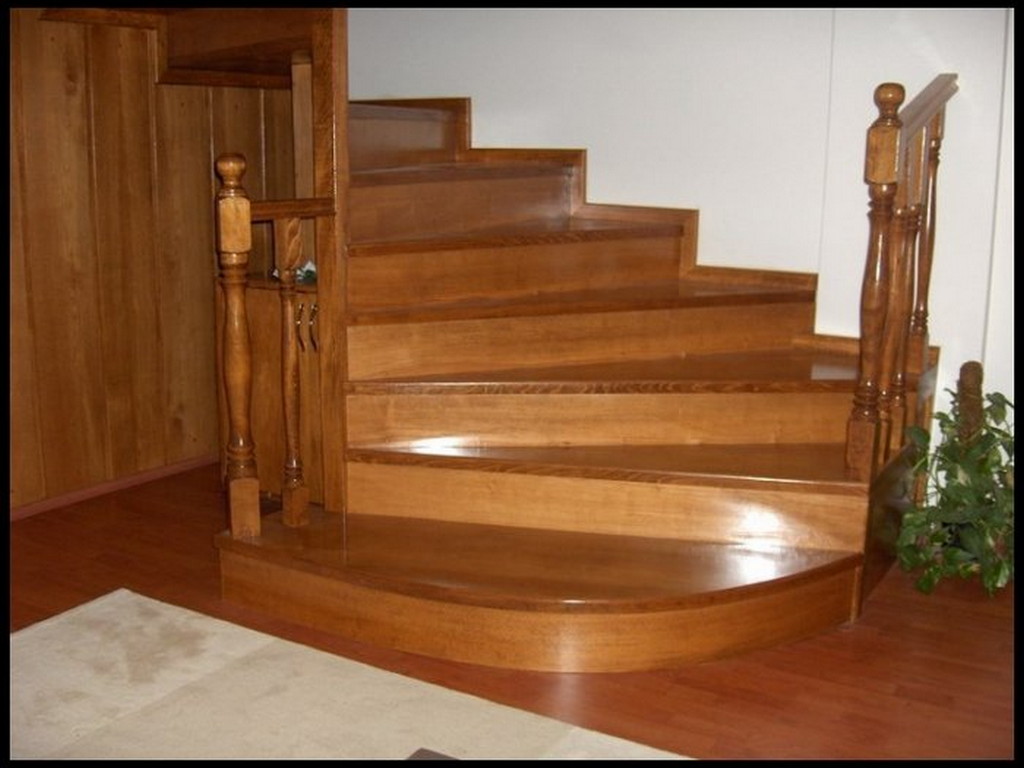
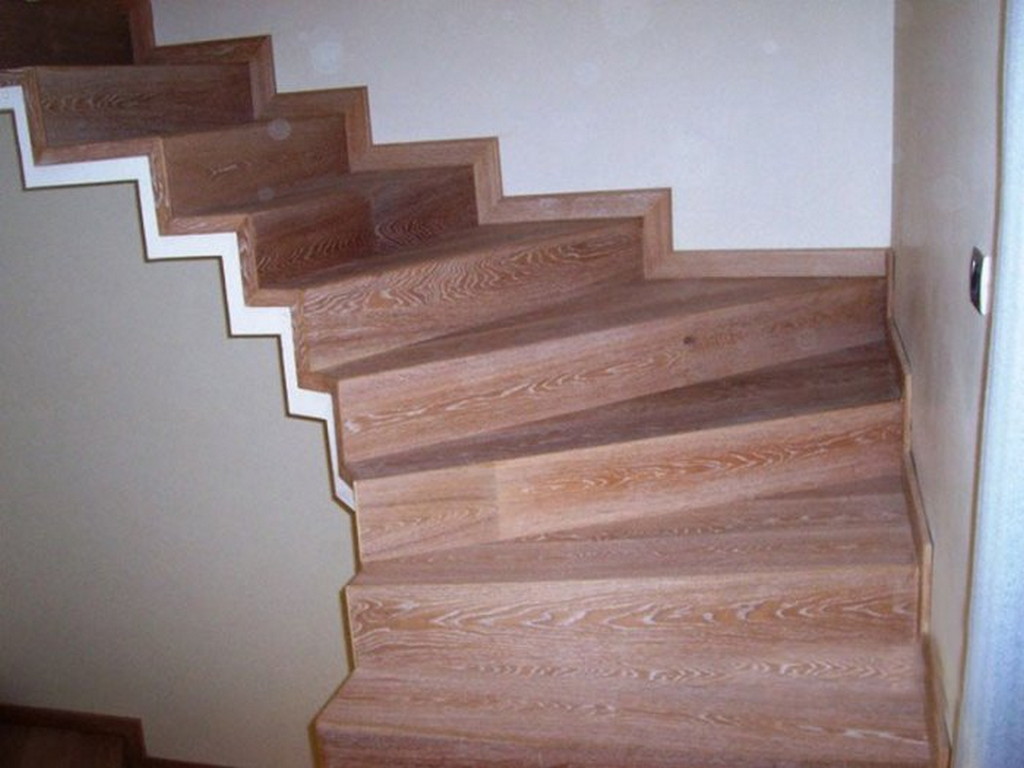






















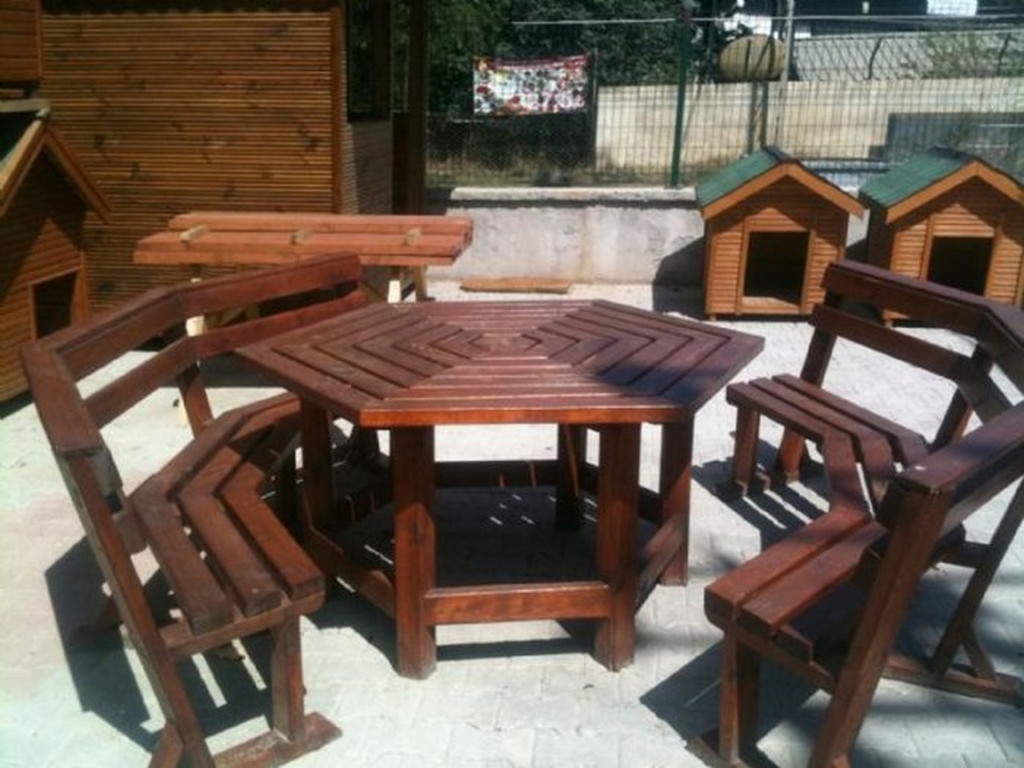
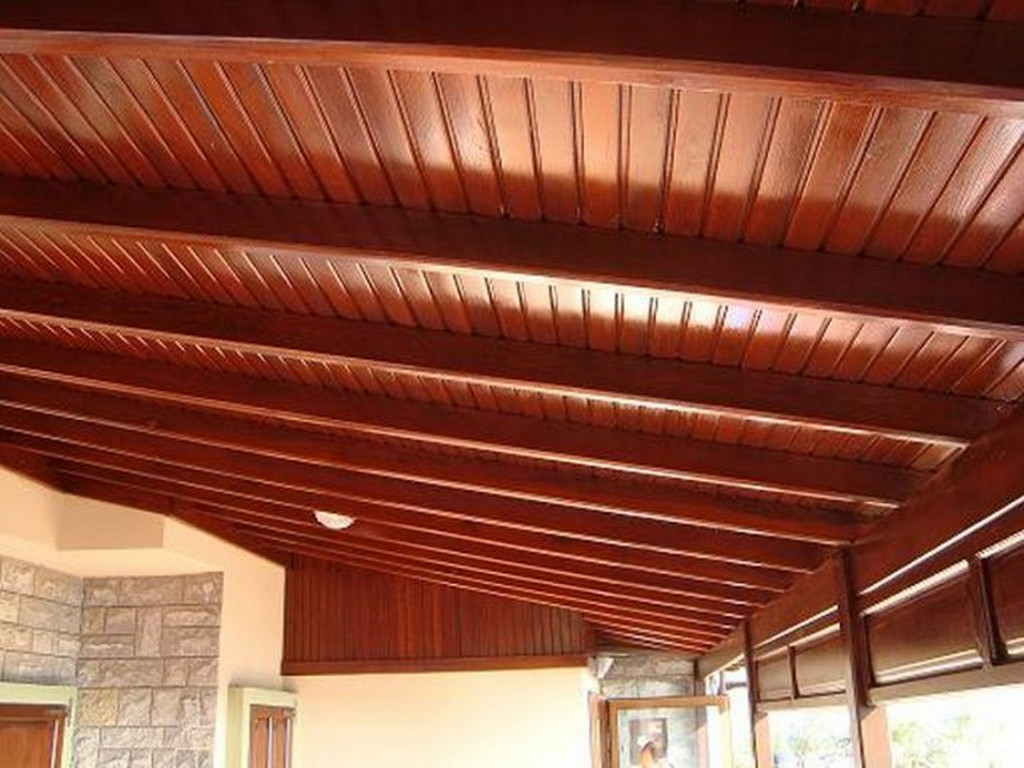


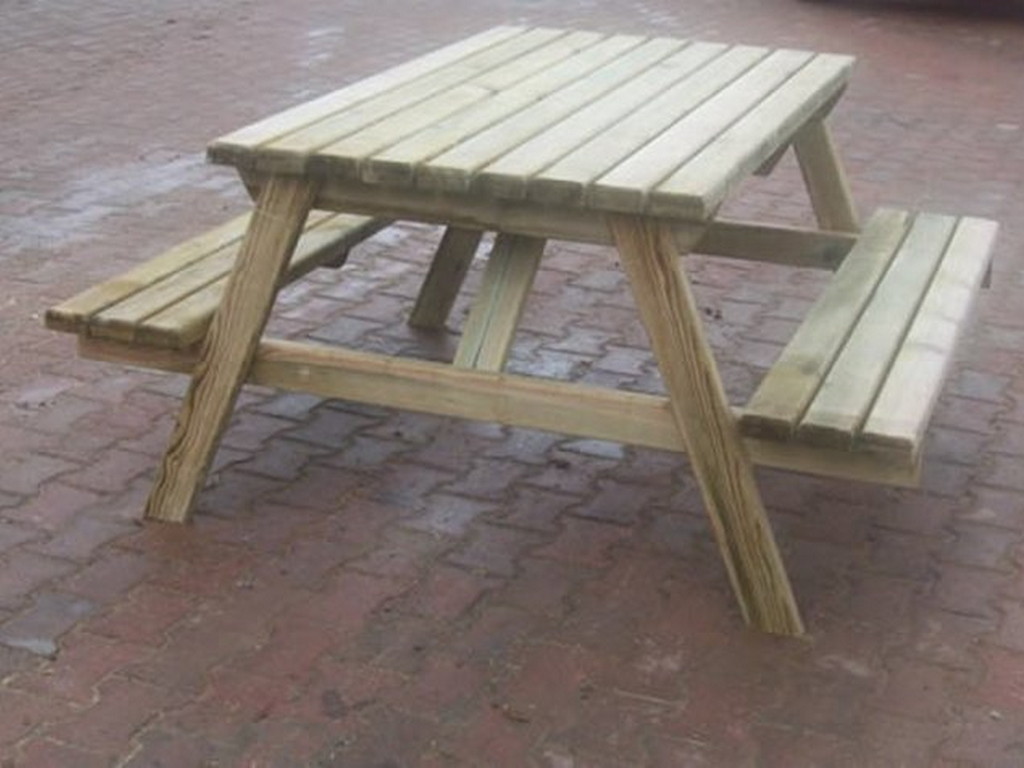
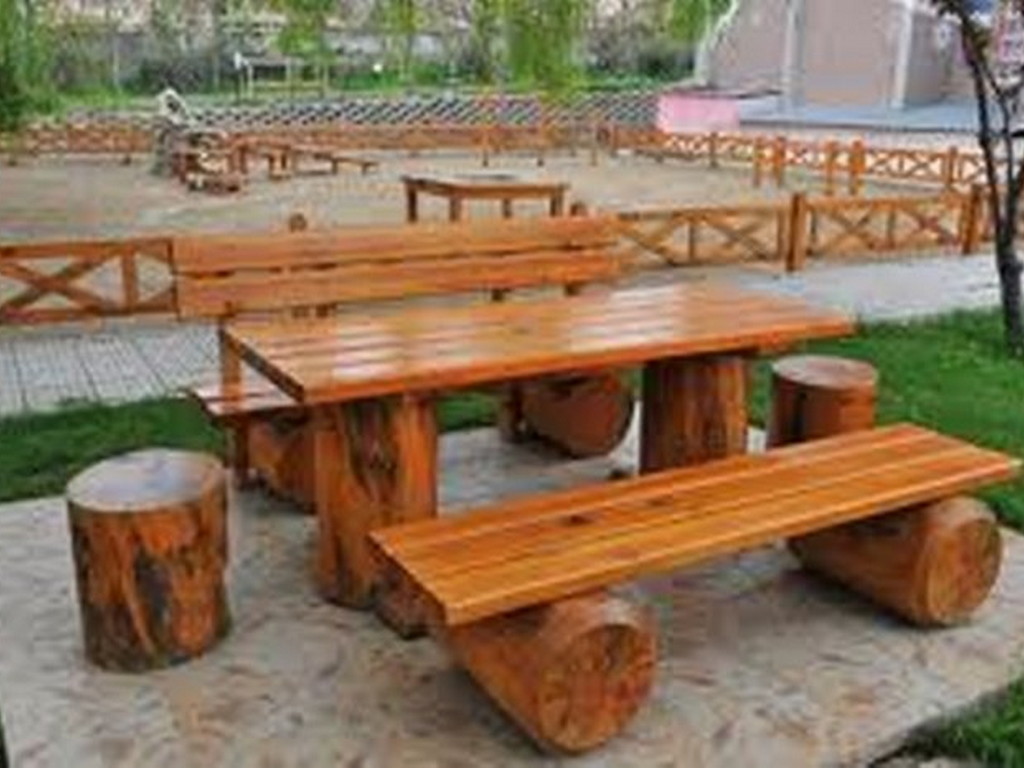


Referanslarımız
Bir çok firma Ahşap Ürünlerinde bizi tercih ediyor ...